COMMUNITY SOURCE INDEX · Source-backed · Free accessAbout the index ↗
Run AI Here Source ledger ↗

LOCAL AI / COMMUNITY KNOWLEDGE

Find a setup.
Read the evidence.

Model cards, deployment recipes and performance reports. Original sources and explicit conditions, ready for people and AI.

Free to browse. Open weights have different licenses. Always check the original.

59Curated referencesEach links to a distinct original document
23Deployment referencesEngine projects and model-specific recipes
28Performance reportsRead the exact experiment and metric
08Official model cardsCheckpoint identity and publisher guidance

EVIDENCE EXPLAINED / 18 OCT 2026

Read a configuration. Make a clearer decision.

Original source facts, practical interpretation and explicit missing evidence.

EVIDENCE EXPLAINEDA17

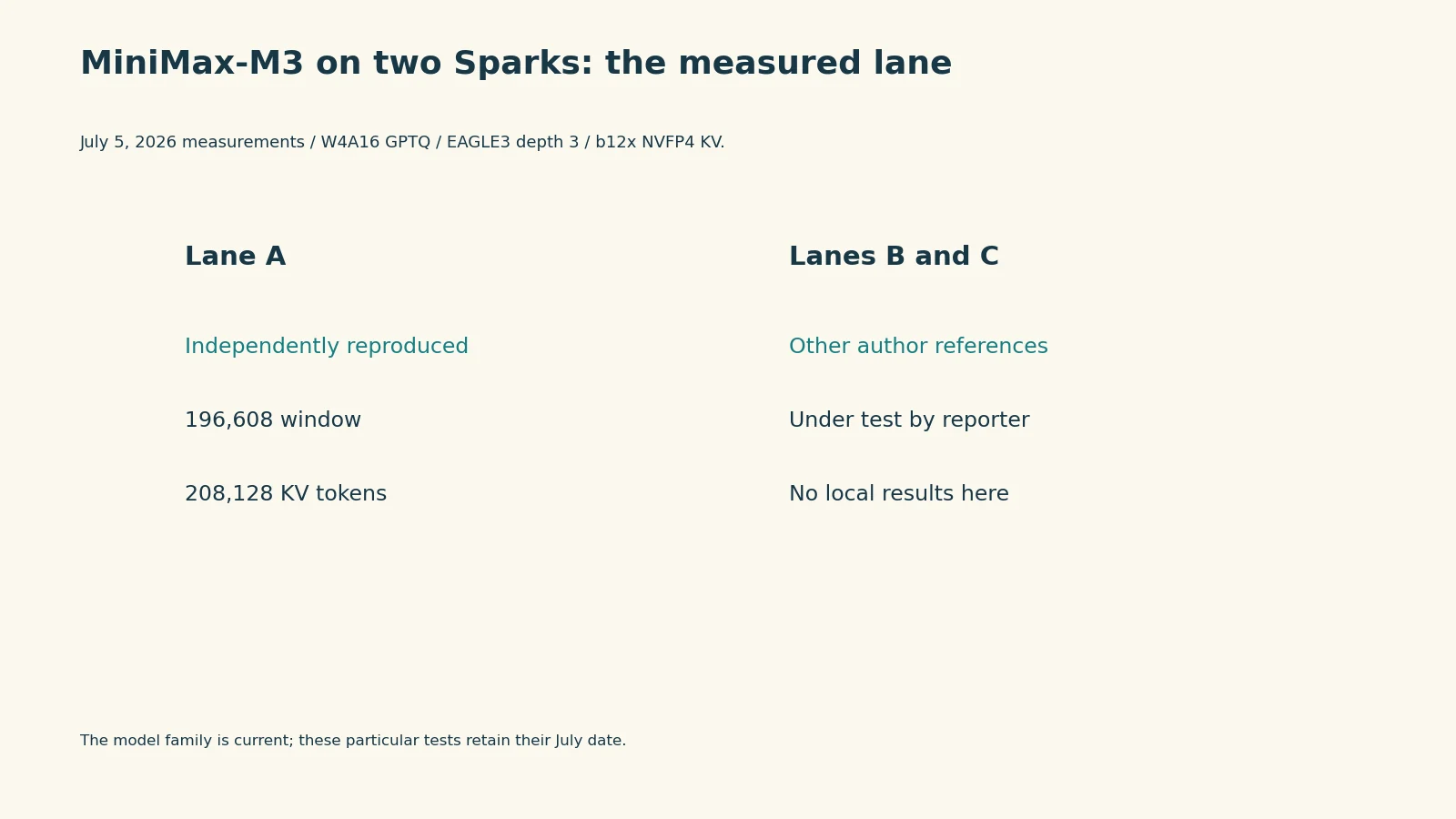
MiniMax-M3 on Two Sparks: The Measured W4A16 Lane

Separate a July lane-A reproduction from proposed speed/context recipes, retaining request timing, startup memory brackets and a negative NCCL result.
Updated 18 Oct 2026 Read the evidence →
EVIDENCE EXPLAINEDA14

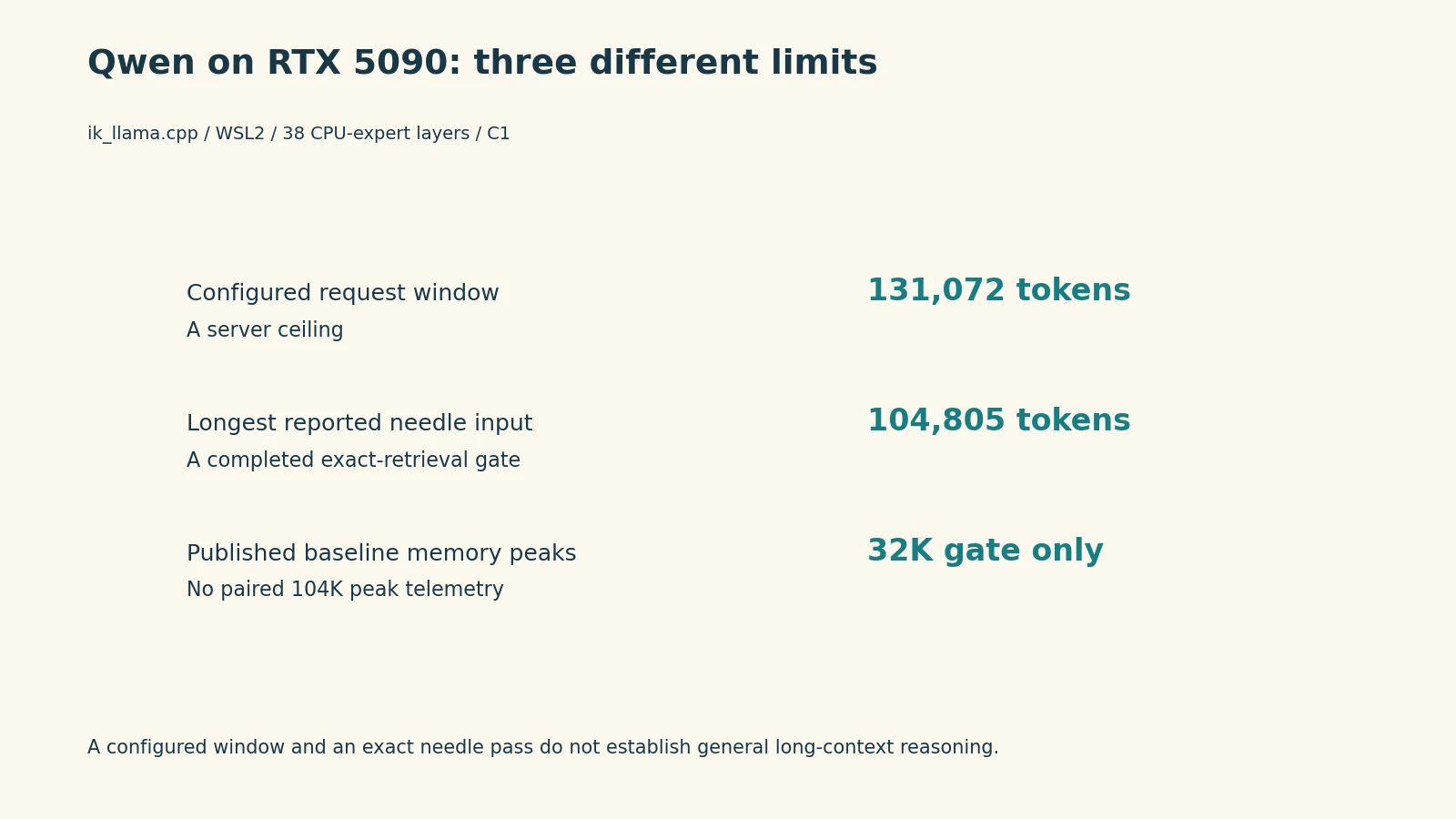
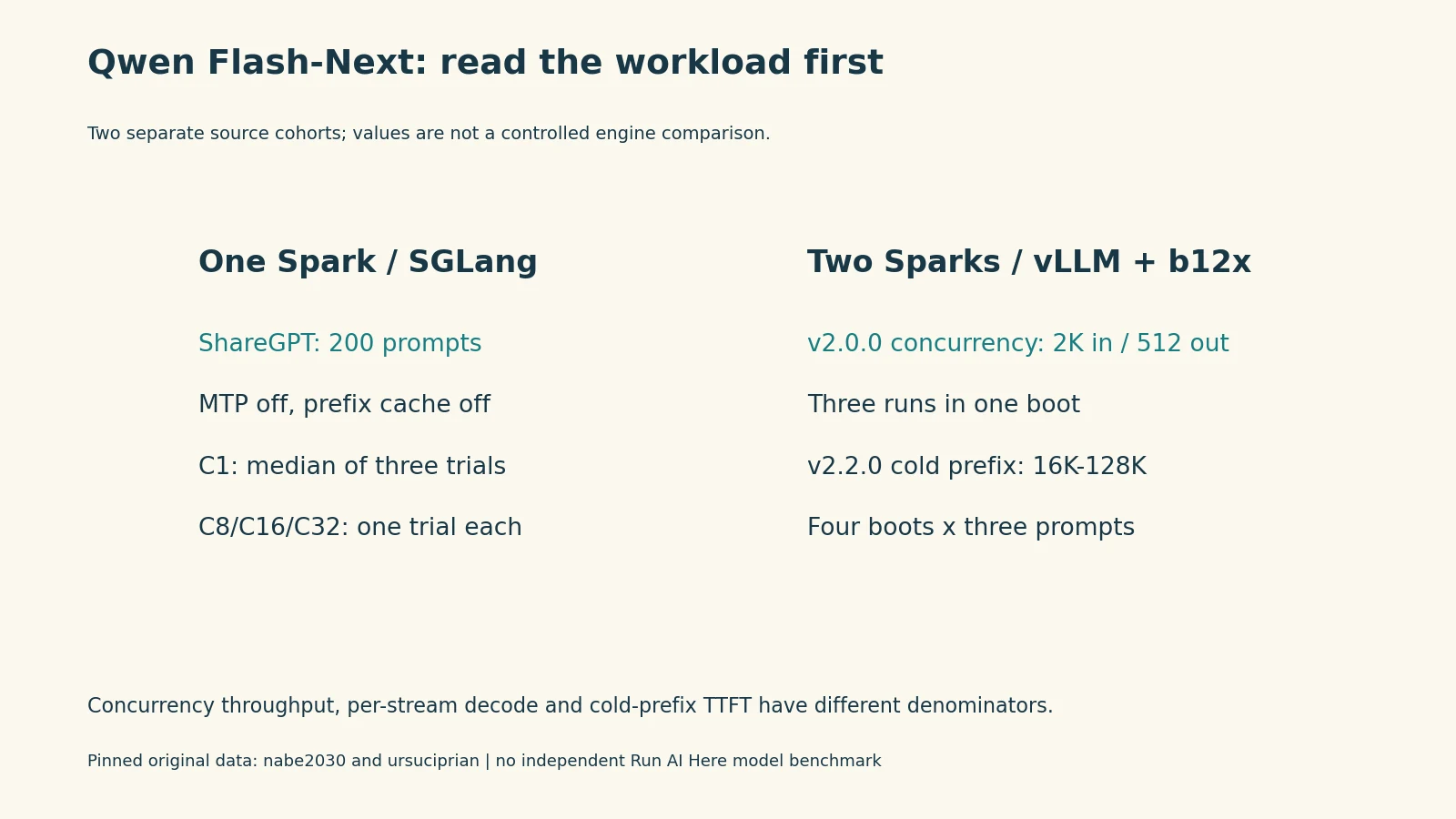
Qwen on RTX 5090: What the 128K Recipe Tested

Understand a 104805-token Qwen retrieval, 32K-only memory telemetry and rejected MTP promotion on an RTX 5090 with WSL2 and partial CPU expert offload.
Updated 18 Oct 2026 Read the evidence →
EVIDENCE EXPLAINEDA13

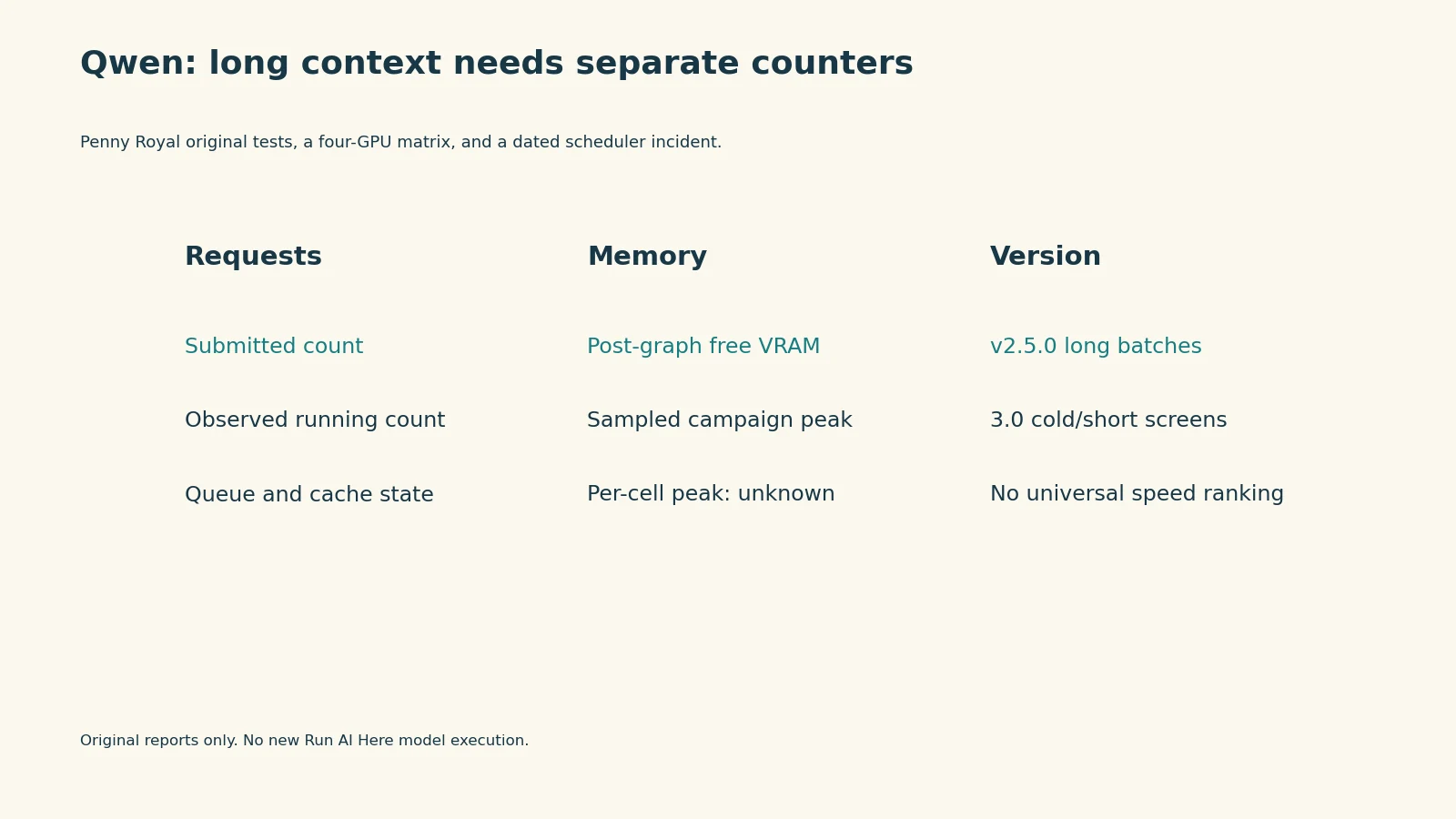
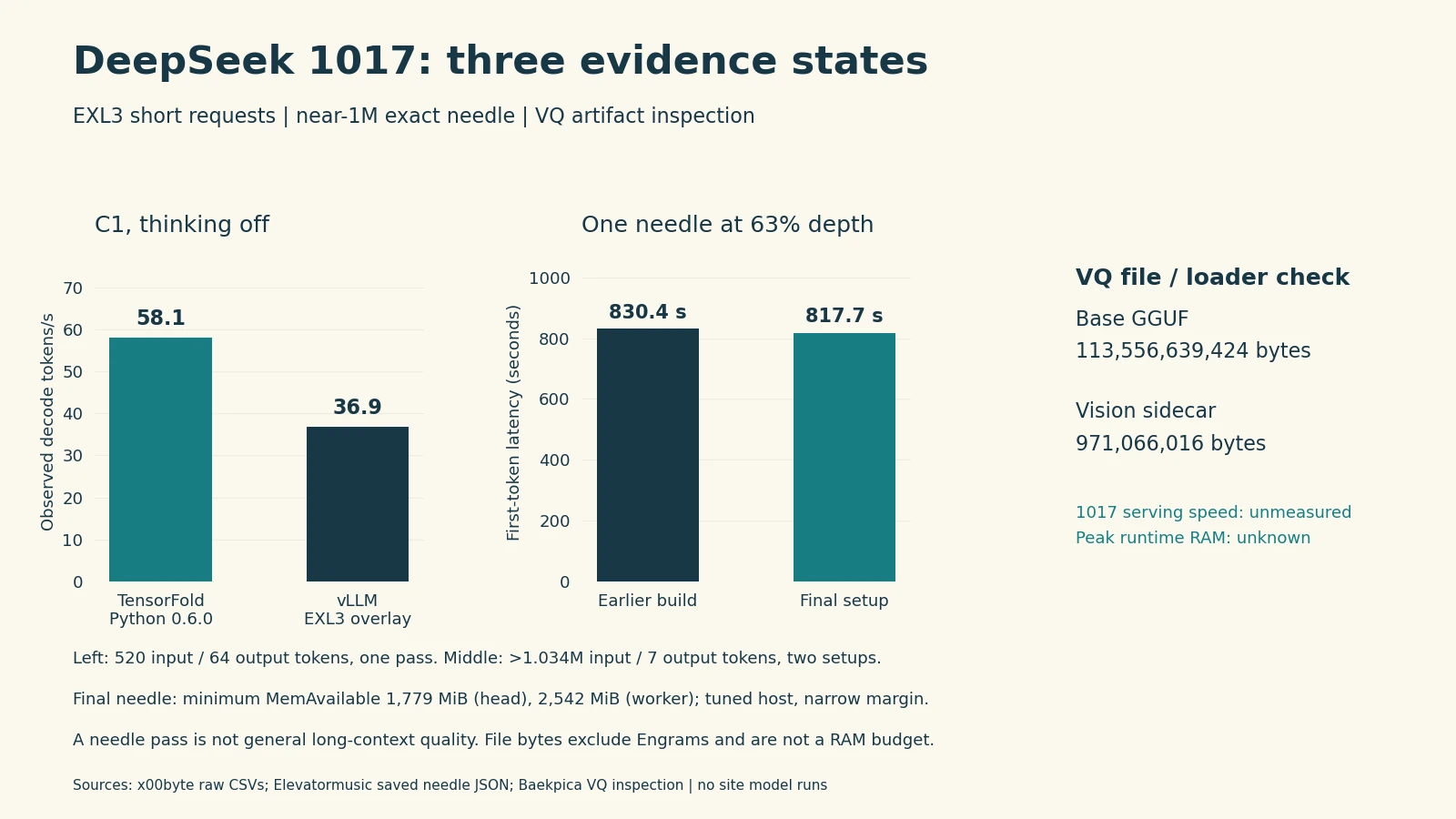
Qwen Flash-Next: Concurrency Has a Latency Cost

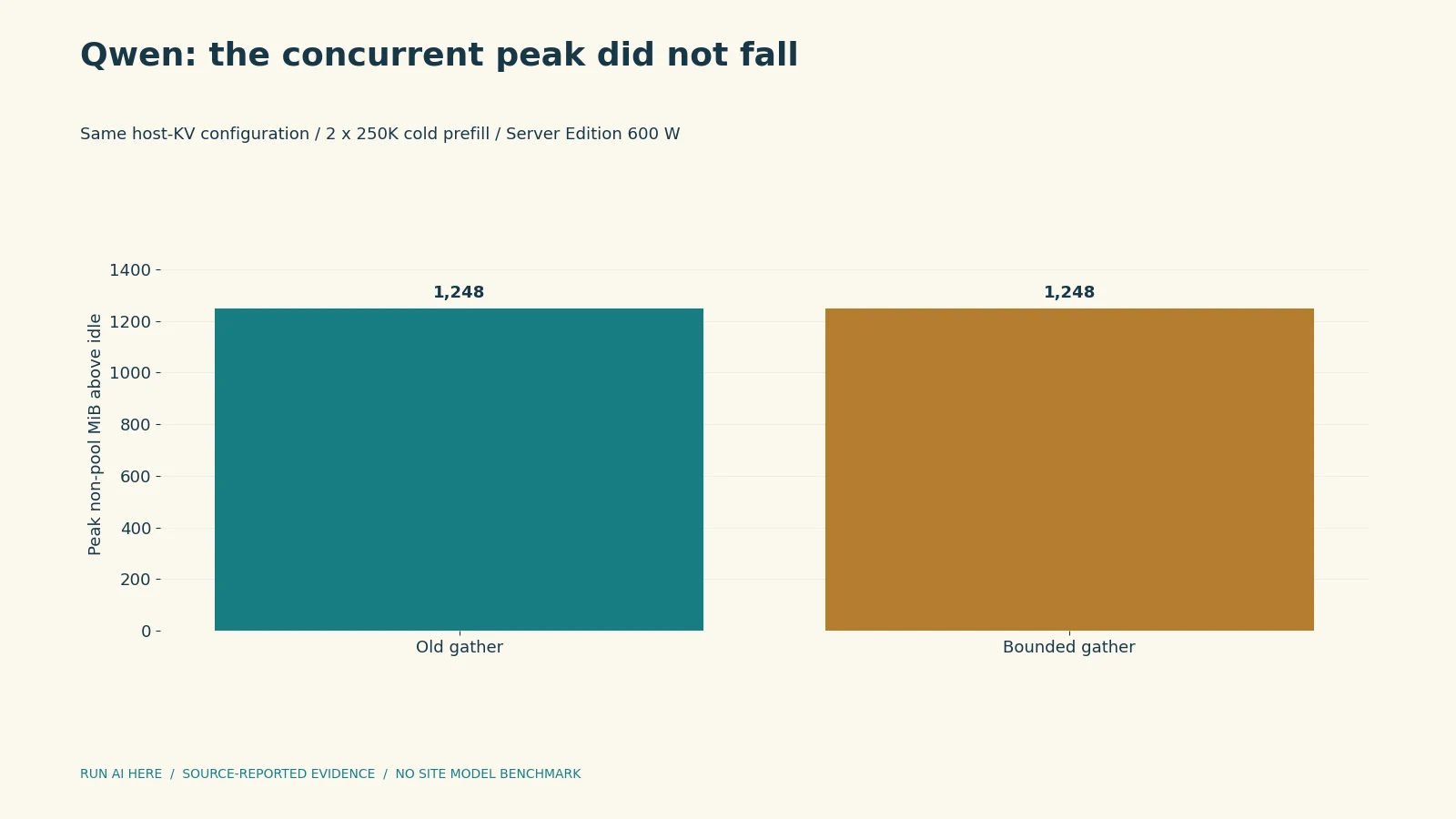
Read Qwen Spark concurrency, per-request delay and cold-context evidence, keeping checkpoints, releases, cache settings and memory failures distinct.
Updated 18 Oct 2026 Read the evidence →
EVIDENCE EXPLAINEDA05

Two DGX Sparks: Read the Deployment Conditions

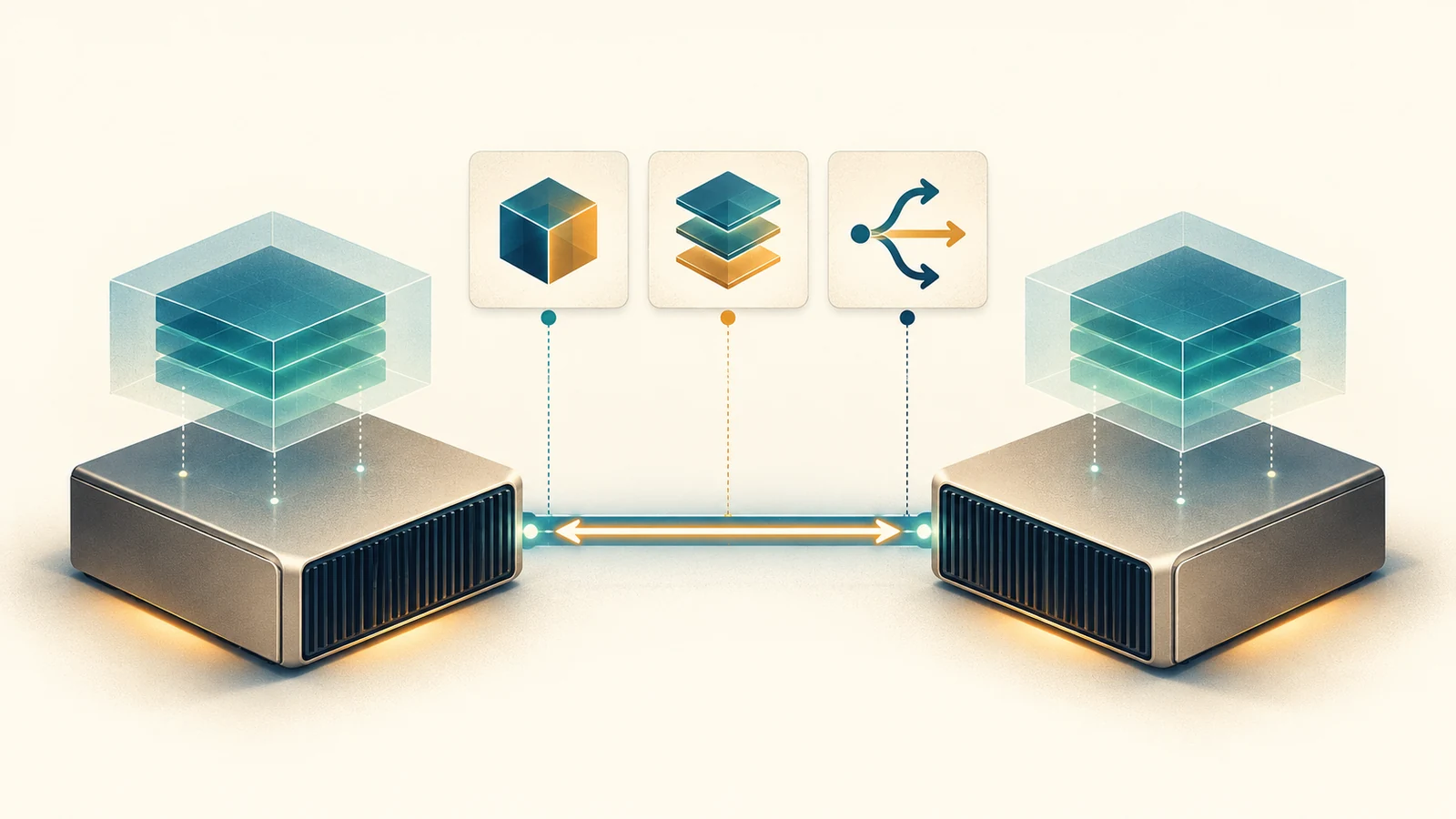
Read three community launch profiles with artifact revisions, KV pools, speculation, context limits, actual concurrency and transport checks.
Updated 18 Oct 2026 Read the evidence →
EVIDENCE EXPLAINEDA01

LLM Speed: TTFT, Decode and Served Rate

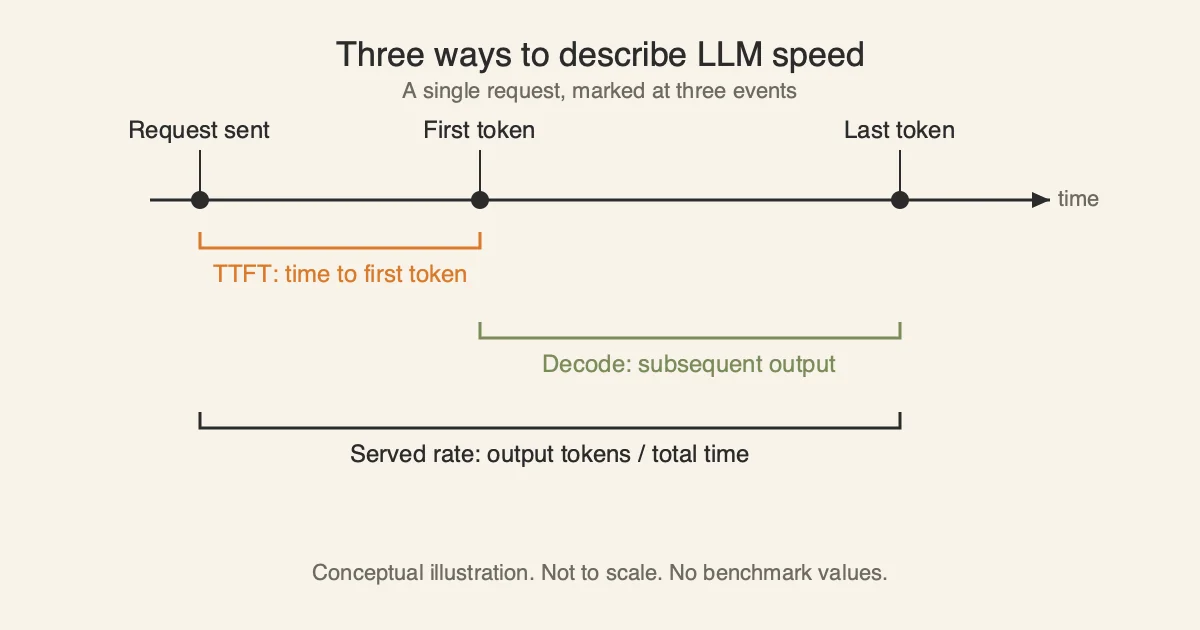
Understand the clock behind a speed claim with three attributed community examples, exact workloads and separate timing definitions.

Updated 18 Oct 2026 Read the evidence →

01 / FIND THE RIGHT SOURCE

Start with your model or hardware.

Combine model, source and runtime filters.
Topic tags help discovery; verify exact support.

59 sources · Checked 18 Oct 2026 · Source-reported

Deployment recipeDeepSeek

DeepSeek-V4.1-Flash: vLLM recipe

The current recipe selects the 1017 checkpoint by default. Check precision, engine version and hardware-specific flags before serving.

source_reportedvllm-project
AMD GPU / NVIDIA GPU
Checked 2026-10-17Original source ↗
Deployment recipeQwen

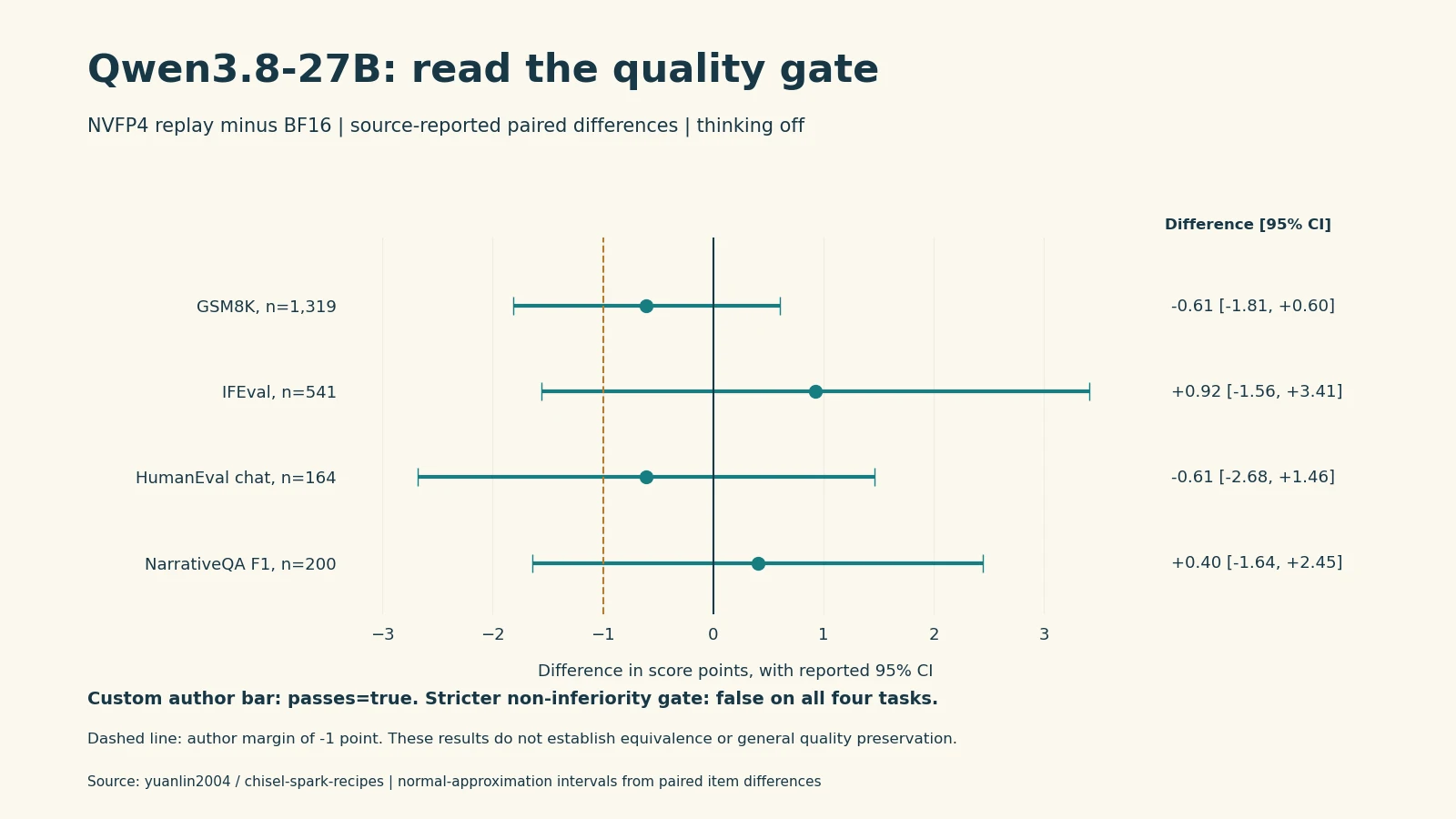
Qwen3.8-27B: vLLM recipe

Dense Qwen3.8 deployment reference with separate quantization artifacts and workstation or accelerator profiles.

source_reportedvllm-project
AMD GPU / Ascend NPU / Intel GPU / NVIDIA GPU / DGX Spark
Checked 2026-10-17Original source ↗
Deployment recipeGLM

GLM-5.3: vLLM recipe

Full GLM-5.3 recipe, including quantization alternatives and accelerator-specific serving controls.

source_reportedvllm-project
AMD GPU / Ascend NPU / NVIDIA GPU
Checked 2026-10-17Original source ↗
Deployment recipeKimi

Kimi-K3: vLLM recipe

Kimi K3 deployment recipe with separate MXFP4, NVFP4 and other artifact paths and parallelism strategies.

source_reportedvllm-project
AMD GPU / Ascend NPU / NVIDIA GPU
Checked 2026-10-17Original source ↗
Deployment recipeMiniMax

MiniMax-M3: vLLM recipe

M3 serving recipe covering full and converted weights, hardware overrides and optional acceleration.

source_reportedvllm-project
AMD GPU / NVIDIA GPU
Checked 2026-10-17Original source ↗
Deployment recipeGPT-OSS

GPT-OSS 20B: vLLM recipe

MXFP4 serving recipe with accelerator allowlists and model-specific serving controls.

source_reportedvllm-project
AMD GPU / CPU / Intel GPU / NVIDIA GPU
Checked 2026-10-17Original source ↗
Deployment recipeGeneral

llama.cpp: GGUF deployment paths

Start with the upstream build and server documentation for a GGUF deployment. Choose the backend for your own platform and keep the model artifact separate from the runtime revision.

source_reportedggml-org
CPU / Apple silicon / NVIDIA GPU
Checked 2026-10-17Original source ↗
Deployment recipeGeneral

Ollama: native apps and a local API

A maintainer starting point for native installation and local model serving. Use its linked documentation to check platform support, installed model identity and local/cloud behavior.

source_reportedollama
CPU / Apple silicon / NVIDIA GPU
Checked 2026-10-17Original source ↗
Deployment recipeGeneral

vLLM: model-serving starting point

Follow the serving project and its documentation when planning a compatible model-serving environment. Backend, architecture, package and model support are version-dependent.

source_reportedvllm-project
NVIDIA GPU
Checked 2026-10-17Original source ↗
Performance reportMiniMax

MiniMax M3 on three DGX Sparks

An original operator repository describing a three-node TP=3 deployment and its benchmark checkpoint. It also retains a four-node baseline, so the two sections must be read as different conditions.

source_reportedChrisTheCoolHut
DGX Spark
Checked 2026-10-17Original source ↗
Performance reportMultiple

DGXArley: cluster deployment and transport reports

An operator-maintained K3s/Ansible repository for a four-Spark cluster. It contains deployment notes and reported transport/inference comparisons. Select the exact model profile and experiment before reusing a number.

source_reportedvroomfondel
DGX Spark
Checked 2026-10-17Original source ↗
Performance reportQwen

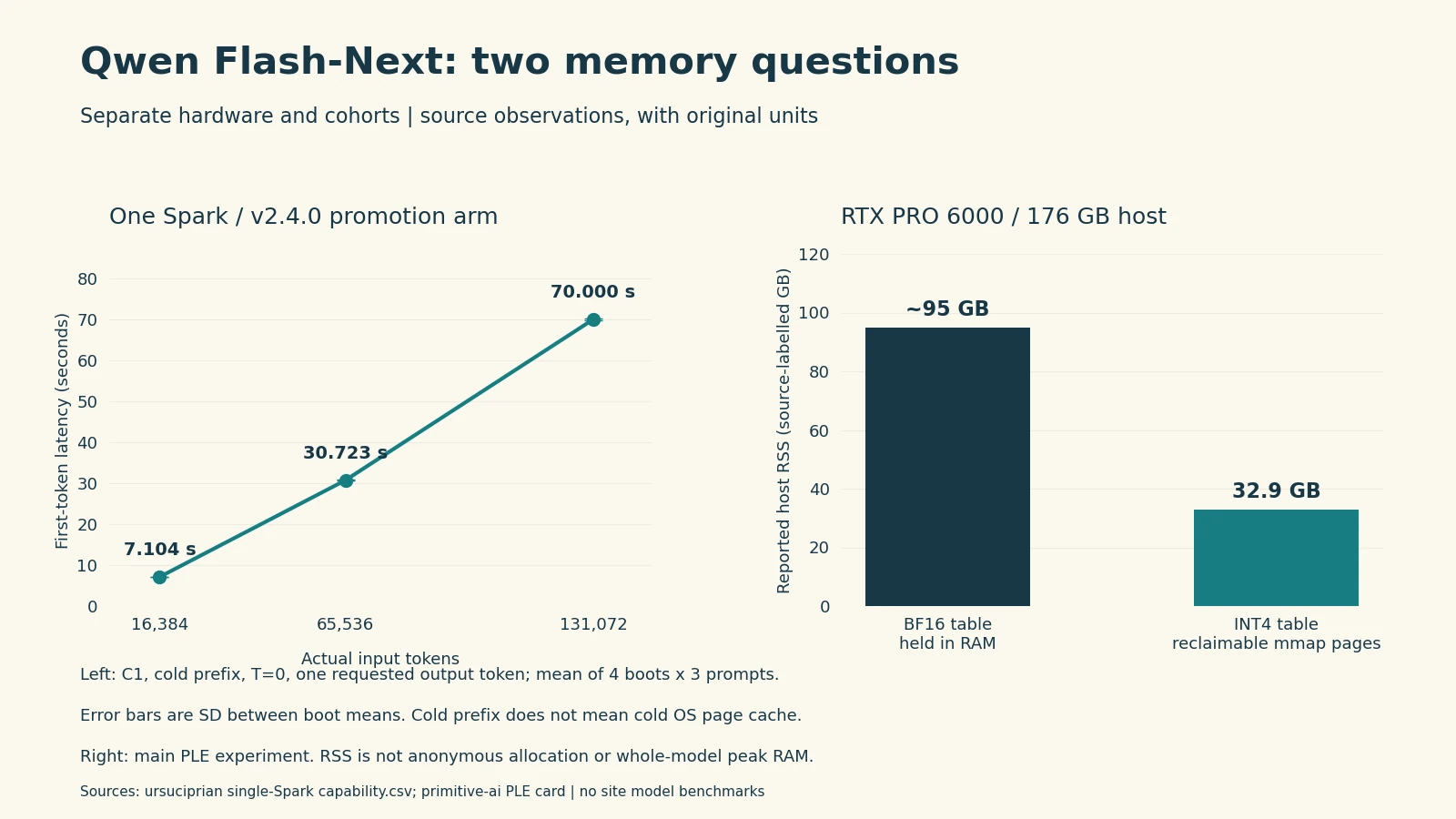
Qwen Flash-Next: single-Spark memory and cold context

The v2.4.0 promotion arm serves the pinned GDN-MSE checkpoint, with an extra MXFP8 prefill shard. NVFP4 expert weights, MXFP8 paths and a refitted four-draft MTP head are separate components. The experimental image tag is retained; the later release-image digest does not prove the exact cold-test image digest. Repository release names are specific to this one-Spark recipe.

source_reportedursuciprian
DGX Spark / NVIDIA GPU
Checked 2026-10-18Original source ↗
Performance reportQwen

Qwen Flash-Next: quantized PLE and memory residence

This experiment changes the n-gram PLE table backing, rather than quantizing every model component. The source compares a BF16 table held in RAM with file-mapped sidecars on one 96 GB RTX PRO 6000 and a 176 GB host. Main-table throughput uses 8K input, 512 requested output tokens and no prefix-cache hits. Full checkpoint revision and executed image digest are not supplied.

source_reportedprimitive-ai
NVIDIA GPU
Checked 2026-10-18Original source ↗
Performance reportDeepSeek

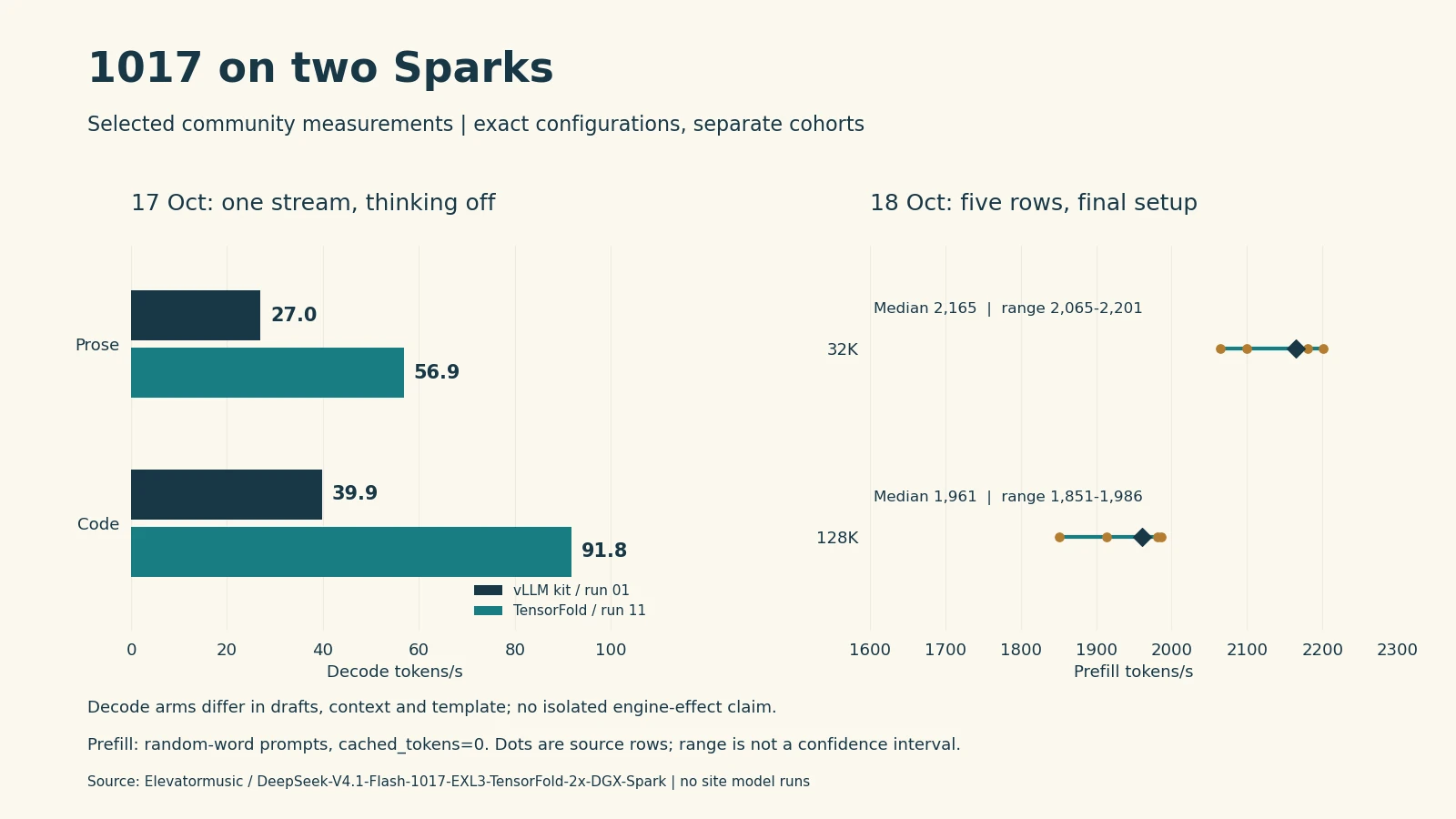
DeepSeek 1017: short-run EXL3 deployment and pool budget

The four selected C1 decode observations come from the raw quick-matrix CSVs, with 520-token thinking-off or 546-token effort-75 prompts and 64 actual output tokens. Each is one pass without variance estimates. Their first-to-last streamed-delta rate excludes initial prefill; end-to-end wall throughput remains a different field. This is not a long-context or sustained-response experiment.

source_reportedx00byte
DGX Spark / NVIDIA GPU
Checked 2026-10-18Original source ↗
Performance reportDeepSeek

DeepSeek 1017: near-million-token needle and memory floor

Two saved runs found one exact-string needle at 63 percent depth in random filler, with 1034753 and 1035020 prompt tokens. Each completion is seven tokens, with zero cached prompt tokens. These are two different build/setup observations, not repeated measurements of one unchanged configuration or evidence of general long-document reasoning.

source_reportedElevatormusic
DGX Spark / NVIDIA GPU
Checked 2026-10-18Original source ↗
Deployment recipeDeepSeek

DeepSeek 1017: VQ file identity before runtime claims

The converter reports a 1000-tensor base, its exact assembled file size and a successful loader binding check. The separate vision sidecar and official 1017 Engram files retain individual identities. These are artifact and loader observations. The selected source explicitly has no 1017-specific serving speed, peak RAM or model-quality measurement.

source_reportedBaekpica
DGX Spark / NVIDIA GPU
Checked 2026-10-18Original source ↗
Performance reportQwen

Qwen Flash-Next: SGLang concurrency and latency

One 128 GB unified-memory DGX Spark serves senfu NVFP4 at its full recorded revision through SGLang commit 4fb9b5b5bad41ac7de5586ec812c421fe3aa2b8b. The recipe keeps PLE on NVMe through mmap, uses an FP8 dense path and an NVFP4 LM head, and disables MTP. The repository documentation pin is separate from the engine and weight revisions.

source_reportednabe2030
DGX Spark / NVIDIA GPU
Checked 2026-10-18Original source ↗
Performance reportQwen

Qwen Flash-Next: TP2 concurrency and cold-prefix cohorts

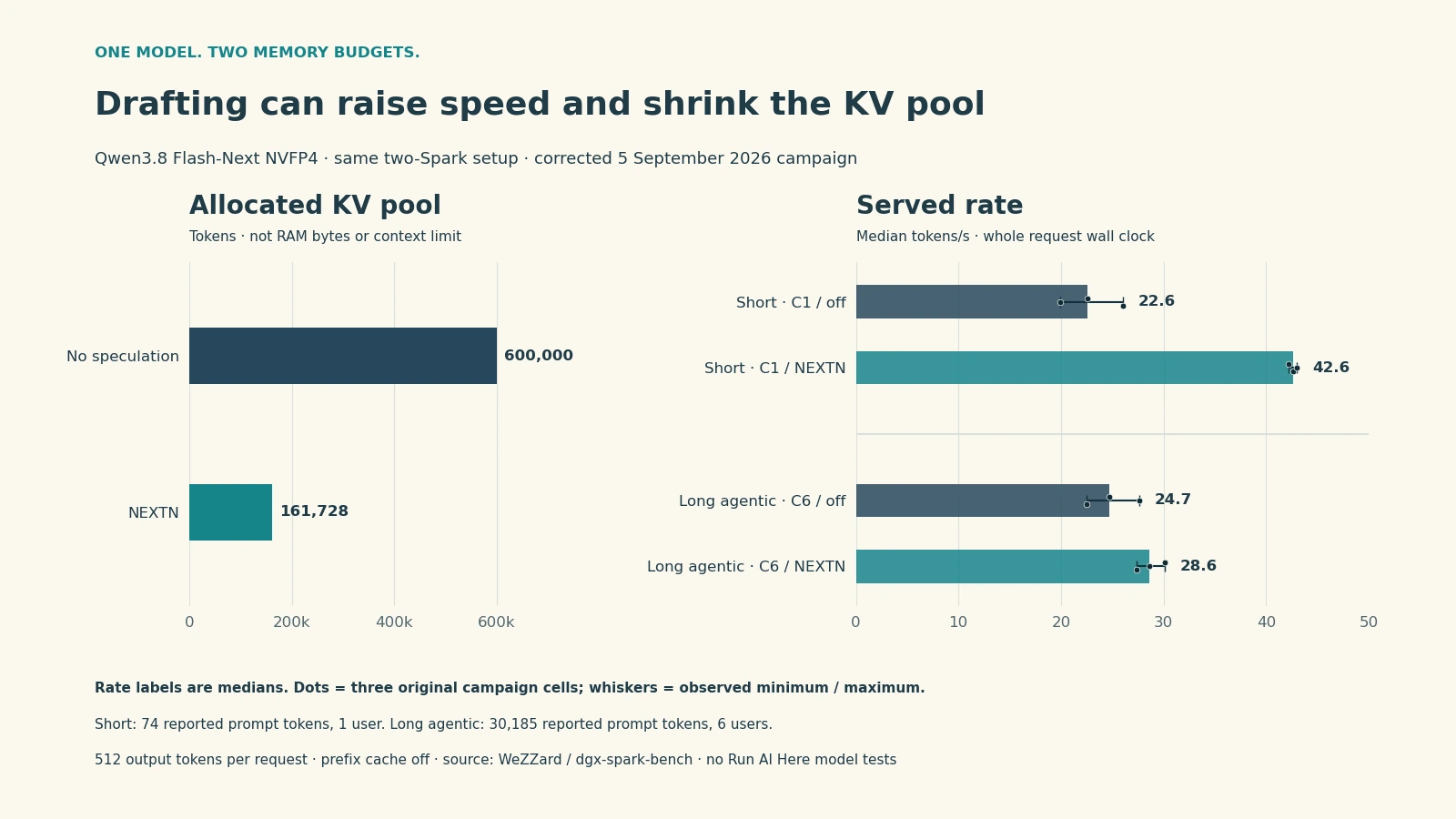
The k76 v2.0.0 concurrency series uses the earlier 16c9bd54788d12390838a65ce4a4ecda97fa5f1d GDN-MSE checkpoint, while v2.2.0 cold-prefix measurements use 03f4a0570496bbe741189f4a2a7d611679e85406. Both employ two directly connected Sparks, vLLM plus b12x and mixed NVFP4/MXFP8 paths. Release image digests and abbreviated engine commits do not establish an exact executed image digest.

source_reportedursuciprian
DGX Spark / NVIDIA GPU
Checked 2026-10-18Original source ↗
Performance reportQwen

Qwen Flash-Next: RTX 5090 CPU offload and long-context gates

The pinned MXFP4 GGUF runs through ik_llama.cpp merge d854dfd36a7262fc46cb7542716b04a9f6d4b47d on one RTX 5090 with WSL2, a 128 GiB-class host and 96 GiB VM ceiling. The baseline puts 38 expert layers on CPU, keeps mmap, disables the CUDA pinned-host override and uses Q8_0 KV. One request and one slot are used throughout; this is not full-model GPU residence.

source_reportedkutaelee
NVIDIA GPU
Checked 2026-10-18Original source ↗

02 / PRACTICAL NOTES

Install. Inspect.
Understand the limits.

Eight task guides for installation, memory and troubleshooting.

Browse tools & guides ↗

03 / MACHINE-READABLE

The same sources.
Less page parsing.

Versioned JSON, Markdown, record schema and individual source files. No account or paid API.

Open the AI entry point ↗

Keep each result with its conditions.

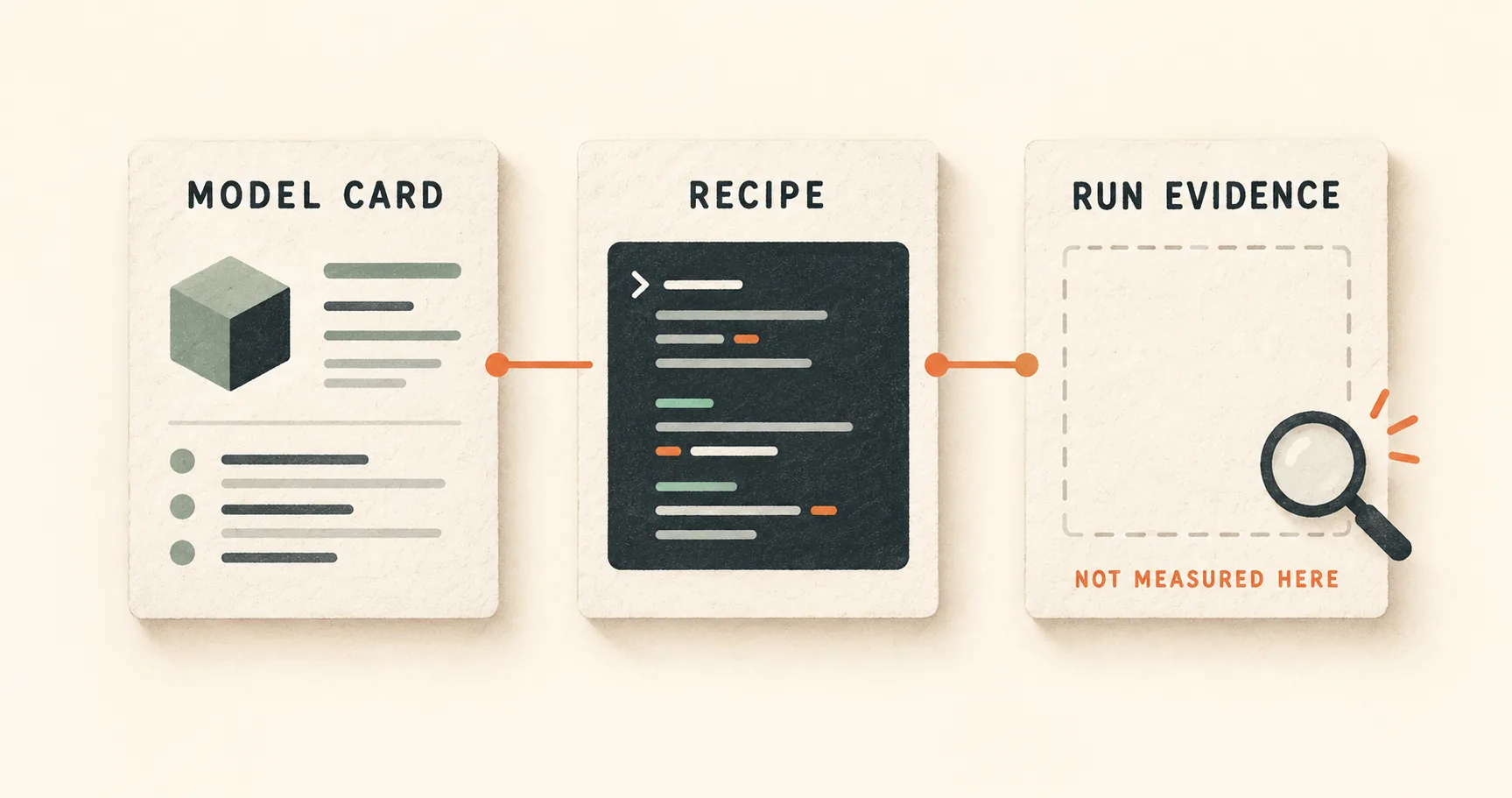
Publisher capability tests, deployment instructions and operator speed reports answer different questions. Selected figures retain their conditions and link to original reports.

How we collect sources ↗